Board Overview: What This Is (and Isn't)
This is guidance, not guarantee. We offer observation-led, practical support for building steadier routines around food—not medical treatment, not promises of results, and not a substitute for professional care when you need it.
Nutrition work is shared. It requires dialogue, adaptation, support on both sides, and shared responsibility. We meet you where you are and work together toward what feels sustainable for your life.
These boards hold ideas about realistic routines, calm food choices, and how small shifts can build into steady progress. You decide what resonates. You're in charge.
Practice Board: Everyday UK Scenes
Real life looks like this. These are moments where choices happen—packing, shopping, eating, sharing. No perfection. Just presence.
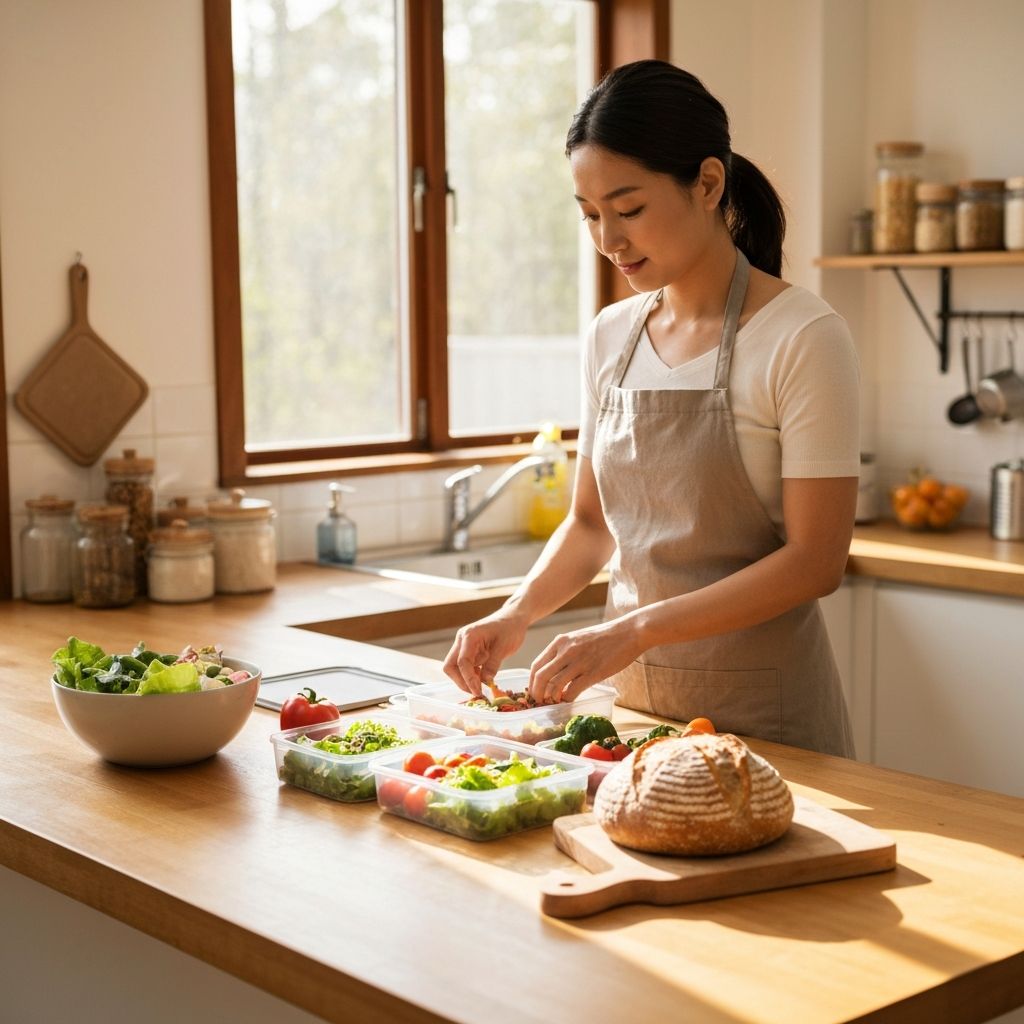
Packing a lunch. It starts at home. Having something ready that you actually want to eat means one less decision when you're tired or rushed. What would make your packed lunch something you look forward to?

Writing it down. A list isn't just about remembering—it's about deciding ahead of time what serves you. When you shop from a plan, you're less likely to land on things that don't feel right later.

Choosing in the shop. That moment at the shelf. You know what you came for. You also see other things. What helps you choose what you actually want to eat, not what's flashy or what you think you should want?
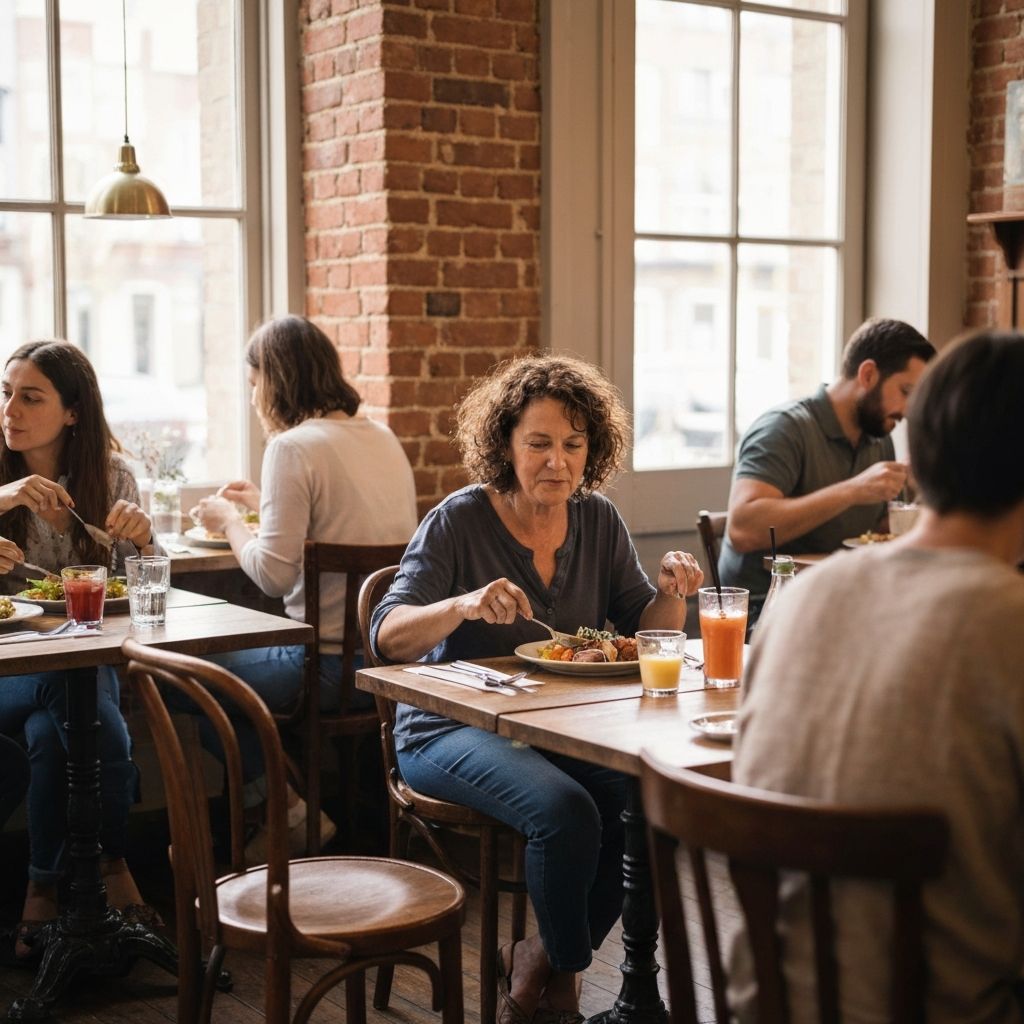
Eating out calmly. Sitting with food. Talking. Not rushing. What does it feel like to choose something that tastes good and feels settled in your body?

Sharing dinner. Food with others. Connection, rhythm, and the ease of having eaten together before—knowing what works, what flows, what feels like home.
Food Board: Simple Defaults
Go-to choices take the weight off deciding. What feels good becomes easier to reach for.
Reliable breakfasts. One or two things you know you'll eat. Porridge, toast with nut butter, eggs and bread. Something that settles your morning and carries you through to mid-morning. It doesn't need to be exciting—it needs to work.
Trustworthy lunches. The kind you can build: grain, protein, vegetables, something that tastes complete. Couscous with roasted veg and feta. Pasta with tinned tomatoes and beans. A jacket potato with cheese and salad. Repeatable, satisfying, quick.
Calm dinners. Meals that aren't complicated. Roasted chicken with seasonal vegetables. A mild curry. Soup with crusty bread. Rice and stir-fry. What you've cooked before and know you like. Home cooking that doesn't require invention every night.
Everyday snacks. Fruit, nuts, cheese, bread, yoghurt. Things that travel if you need them. Not restricted, not chaotic—just there when you're genuinely hungry between meals.
Routine Board: The Day Rhythm
Time shapes eating. Your day has natural patterns. Working with them makes steadier choices feel automatic.
Early morning. Before work or commitments. Breakfast that settles you. A moment to eat it without rushing. Coffee if that's your rhythm. Setting up your day to start steady, not chaotic.
Mid-morning focus. A small something if needed—tea, fruit, a snack. Enough to carry through to lunch without overheating. Enough that lunch doesn't feel desperate.
Lunch break. A proper pause. The meal you packed or arranged. Eating it away from your desk if you can. A rhythm in your day that says: you matter, your hunger matters.
Afternoon dip. Around 3 or 4pm, energy shifts. A cup of tea, a piece of fruit, a walk. Something gentle that bridges the gap to dinner without excessive snacking.
Evening meal. Cooked or assembled without stress. Time enough to chew, taste, and settle. The meal that tells your body: the working day is done. Dinner is rest.
Environment Board: Make Choices Easier
What surrounds you shapes what you reach for. Small changes to your environment reduce friction and support steadier choices.
Kitchen setup. Bowls, plates, and storage that's accessible. Fresh food in view. Things that make cooking feel less like a barrier. A sharp knife. One good pan. Space to work. Your kitchen is a tool for your routine.
Visibility matters. Fruit in a bowl. Vegetables prepped or half-visible. Things that catch your eye when you're looking for something to eat. Out of sight often means forgotten.
Shopping habits. Shopping more often with a list means fresher food and fewer impulse buys. Knowing which aisles have what you need. Shopping when you're not starving. Small shifts that alter what ends up in your home.
Reduce friction. What makes cooking feel hard? Too many pans? Ingredients you need to prep? Start small. One meal that's genuinely easy. Build from there. Friction reduced is a choice made easier.
Reset Board: Returning Without Restarting
Sometimes your routine shifts—illness, travel, stress, life. The point isn't to abandon everything and start over. It's to return gently.
You don't start from zero. A day of irregular eating doesn't erase your routine. It's one day. Tomorrow, you eat breakfast. You move forward.
Gentle restart. Back from holiday? Cook something simple. Back from being ill? Soft food you know works. Back from a busy week? A meal that feels like home. Not punishment, not restriction—just return.
Progress isn't linear. Some weeks feel steady. Some don't. That's normal. What matters is whether you're moving toward steadiness or further away. Small adjustments, not dramatic overhauls.
When it's time to pause. If eating has become confusing or painful, if restriction or bingeing are part of your pattern, if food causes significant distress—these are moments to seek specialist support. That's not failure. That's wisdom.
The Process Board
How we work together. Not a rigid path, but a rhythm that supports steadier habits.
Clarify
What's your current rhythm? What works, what doesn't. What matters to you about food and eating.
Observe
Notice patterns without judgment. When are you calm? When stressed? What routines help, what makes things harder.
Adjust
Small changes. One reliable breakfast. A list when you shop. A walk at 3pm. Changes that fit your life, not fight it.
Support
Regular dialogue. Questions, feedback, encouragement. You're not doing this alone. We're checking in, adapting together.
Review
What's changed? What's feeling steadier? What needs more attention? Progress is measured by what matters to you.
About Us + Reflection
Directum is an advisory blog about nutrition and steady habits. We work in partnership—through dialogue, adaptation, and steady support. No medical framing. No promises of results. Instead: clear, practical guidance on how routines around food can become calmer, more reliable, and genuinely supportive of how you want to live.
Our work rests on shared responsibility. You bring knowledge of your body, your life, your preferences, your boundaries. We bring observation, structure, and steady presence. Together, we work toward routines that feel less chaotic and more like home.
Reflection Questions
Consider these as you think about your relationship with food and routine:
- What does a calm food day look like for you? Not perfect—just calm. What elements are part of it?
- When you think about changing your eating habits, what feels most like you—small daily shifts or bigger structural changes?
- Who are the people in your life around food? Who supports steadier choices? What does that support look like?
- What would it feel like to stop judging your eating and start noticing it? What patterns might you see?
- If your food routine was already steady, what would that free up in you? What else could you do or be?
Get in Touch
Contact Information
Directum Advisory
44 Northumberland Street
Newcastle NE1 7DE
United Kingdom
Phone: +44 191 754 2961
Email: [email protected]
Get Our Newsletter
Subscribe to receive our latest notes on steady routines and calmer food practices.
Health Disclaimer
The information presented on this website is purely informational in nature and is not medical advice, treatment, or consultation. It does not replace professional medical, nutritional, or psychological guidance. If you have concerns about your health, eating patterns, or wellbeing, please consult with a qualified healthcare professional. Directum offers advisory guidance on routine and habit-building only.
Social Board: Eating With Others
Shared meals ground us. Eating with others—family, friends, colleagues—creates rhythm and connection. What you eat matters less than the experience of eating together, of being included, of belonging.
In conversation. Talking while you eat slows you down. You notice flavour. You notice fullness. You're present, not distracted. Eating becomes part of a moment, not a task to finish.
Boundaries with kindness. Sometimes food offered doesn't feel right for you. Sometimes you have preferences. It's okay to say so gently, to ask what's in something, to have standards for yourself. Respect asks the same of others.
Rituals create ease. Sunday roast. Friday pizza. Wednesday soup night. Meals you know are coming. Meals that anchor your week and your relationships. Predictability that feels good.